
- Italy With Children: Which Region Suits Which Age Group?
- Driving In Italy In 2026 – An Overview Of Tolls, ZTLs, Parking And Fines
When should you book a holiday home in Italy?
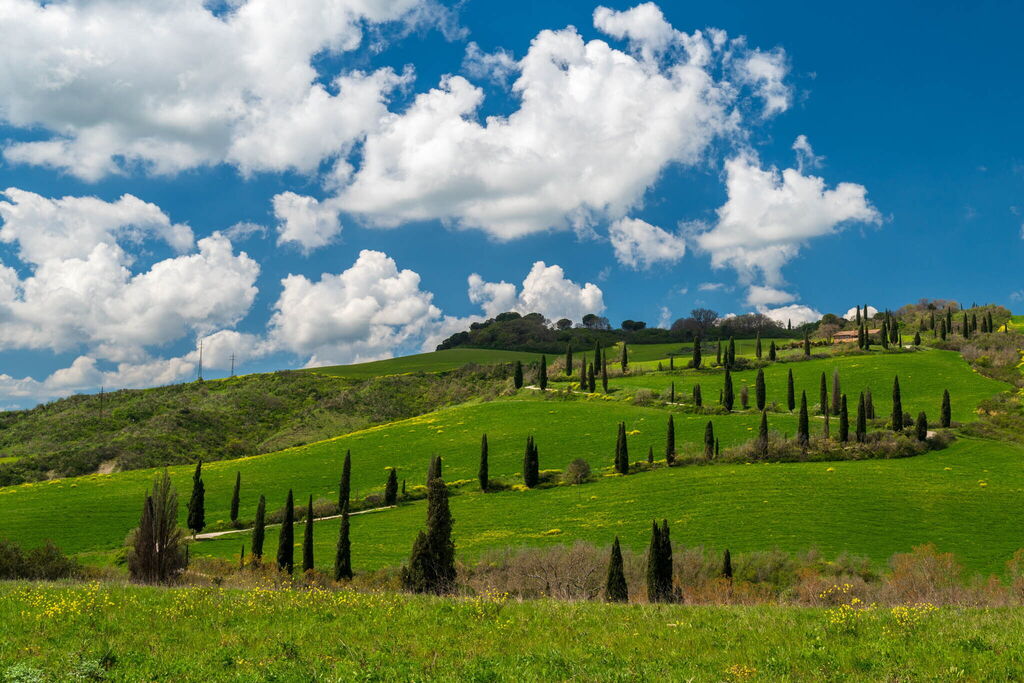
Does this sound familiar? It’s January, it’s pouring with rain outside, and you’re sitting on the sofa in the evening with a cup of tea, typing ‘holiday home Tuscany’ into the search bar. It might sound like daydreaming, but it’s one of the smartest times of the whole year to do just that.
When it comes to holiday homes, the clock ticks differently to flights. Flight prices can skyrocket from one day to the next, whereas holiday homes are more relaxed in that respect – though almost everything depends on how in demand that week is now. And it’s precisely this timing we’re going to look at now, so you know when to strike and when you can sit back and relax.
Forget the weather, think about availability
When planning a holiday in Italy, most people’s first thought is the weather. With holiday homes, however, it’s worth taking a different approach – namely, focusing on simple availability. Italy has been one of Europe’s most sought-after holiday home destinations for years, and this demand, combined with rising energy and running costs, is driving prices up. The good news is that if you plan early and remain a little flexible, you can still find some attractive deals, particularly thanks to early-booking discounts that many let owners specifically offer.
Popular regions such as Tuscany, Lake Garda, Sardinia and the Adriatic coast are the quickest to sell out during the school holidays. Those who book early simply have the widest choice, and that is ultimately what the whole issue of timing is all about.
Summer holidays: every week’s head start counts
For families with school-age children, there’s hardly any leeway. The summer holidays are peak season through and through, and Italy is traditionally right at the top of the list for this group. What’s interesting is that many German, Austrian and French families start planning as early as the beginning of the year, long before anyone has even thought about swimming trunks or sun cream.
Tip: It’s best to book your summer holidays between January and March. It may sound early, but it secures exactly what matters later: your dream house with a pool, a location with a sea view rather than facing a main road, and a fenced-in garden for the dog. Villas in Tuscany, holiday homes with pools on the Adriatic coast or accommodation near the beach are the first to go if you wait too long.
And here’s another advantage: many landlords specifically offer early booking discounts in winter, often combined with flexible cancellation terms. Perfect for anyone who’s planning but isn’t yet 100 per cent sure whether the dates will work out.
Whitsun: a brief rush, a clear rule
Whitsun doesn’t have the long lead-up of the summer, but in Germany it’s a real classic for a one- to ten-day trip to Italy. Many families use these days to enjoy a sort of early summer by Lake Garda, on the Adriatic coast or in Tuscany. Demand is correspondingly concentrated within this short window.
For Whitsun: book three to four months in advance, i.e. around February or March. If you’re flexible with your dates, there’s a clever trick: avoid Whitsun itself and book the week before or after instead – usually with almost identical weather, but at significantly lower prices.
Autumn: Here, you can take it easy
Autumn has long held a firm place in the hearts of Italy enthusiasts. Temperatures are milder, towns and countryside feel more peaceful, and in Tuscany or Umbria, the grape harvest lends the landscape an incomparable atmosphere. At the same time, overall demand is lower than in summer, so there’s a better chance of booking later and still getting fair prices.
If the autumn holidays coincide with the German school holidays, I’d still plan to book three to six months in advance, particularly for Tuscany or Lake Garda. If you’re travelling outside the school holidays, one to three months’ notice is usually sufficient, and last-minute bookings do become a realistic option. Autumn is therefore the ideal season for anyone wanting to take a spontaneous break, such as a wine and gourmet tour through the Tuscan or Umbrian countryside.
Christmas and winter: unique, but easy to plan
Christmas and New Year are celebrated a little differently in Italy. Many use the time for city breaks to Rome, Florence or Milan, whilst others are drawn to the mountains. Holiday homes with a pool are naturally less in demand at this time of year, but demand is high for more distinctive properties: the central townhouse, the mountain chalet with a fireplace, or the spacious house for a family celebration.
For this period, I recommend booking four to six months in advance, particularly if you have specific requirements such as a spacious kitchen, a fireplace or a particular location. Last-minute bookings are possible here too, but the choice will then be significantly more limited.
Early booker or last-minute – which suits you best?
To be perfectly honest: the right time to book almost always determines whether you get top-class deals, and early bookers clearly have the edge here. Those who book for the coming summer as early as winter not only secure the most attractive properties, but often also special rates and greater flexibility with arrival and departure dates.
Last-minute bookings really come into their own, particularly in the off-season and outside school holidays. Whilst holiday home prices are generally more stable than flight prices, they do adjust dynamically in line with demand. If you’re not tied to school holidays and are open to different regions, you can snap up excellent deals at short notice, especially if you look for your temporary home away from the well-known hotspots.
How prices change over the year
Overall, prices for Italian holiday homes have been on an upward trend for several years, driven by energy and running costs. However, they fluctuate significantly within a year depending on the season. Prices are at their highest and flexibility at its lowest during the summer holidays and popular public holidays – a clear advantage for early bookers. In the off-season – that is, in spring, late autumn or between the extended holiday periods – things are more relaxed and last-minute discounts are more likely.
A side note: landlords now react quite quickly to short-term trends. If a region suddenly becomes the talk of the town – perhaps due to a TV series or viral social media posts – rental prices there often rise within a matter of weeks.
Booking windows briefly
|
Season |
Occasion |
|
Summer holidays (July/August) |
6–9 months in advance, ideally January to March Highest demand, particularly in Tuscany, the Adriatic and Lake Garda |
|
Whitsun holidays |
3–4 months in advance Short but intense peak in demand from families |
|
Autumn holidays |
3–6 months in advance Moderate demand, but popular regions still in demand |
|
Autumn outside the holidays |
1–3 months in advance or last-minute Lower demand, good opportunities for discounts |
|
Christmas/New Year |
4–6 months in advance Limited selection of special properties in cities and mountain resorts |
|
Off-peak season generally |
–4 months in advance, last-minute bookings sometimes possible Relaxed prices, less competition for properties |
Tips for the best time to book
A few things that never fail to prove their worth: families with school-age children should book summer and Whitsun holidays as early as possible. Sometimes, a head start of just a few weeks can mean the difference between a property with a pool or without, a sea view or a main road. Those who are flexible with their dates and aren’t tied to school holiday periods will find significantly more choice and more attractive prices outside the peak seasons.
It’s also worth thinking outside the box: rather than just considering Tuscany, Lake Garda or the Adriatic, you should also look at Umbria, the Marche or less touristy stretches of coast, which are often just as charming but without the huge crowds.
And finally: early-bird discounts are real, but they rarely come to you of their own accord. Many hosts specifically entice guests in winter with more favourable rates for the coming summer. It’s always worth checking for flexible cancellation policies in case your own plans change. Those who prefer to be spontaneous should regularly look out for last-minute discounts, particularly in the off-season and for properties without a pool or sea view. That’s often where the most interesting last-minute bargains can be found.
Ultimately, it’s simple: if you know when to book, you don’t have to choose between your dream destination and a good price when booking a holiday home in Italy. Most of the time, you can have both.