
- Sicily Or Tuscany? An Honest Comparison For Holidaymakers
- Italy With Children: Which Region Suits Which Age Group?
Renting a holiday home in Italy: What you need to know before booking – and what most booking sites don’t tell you
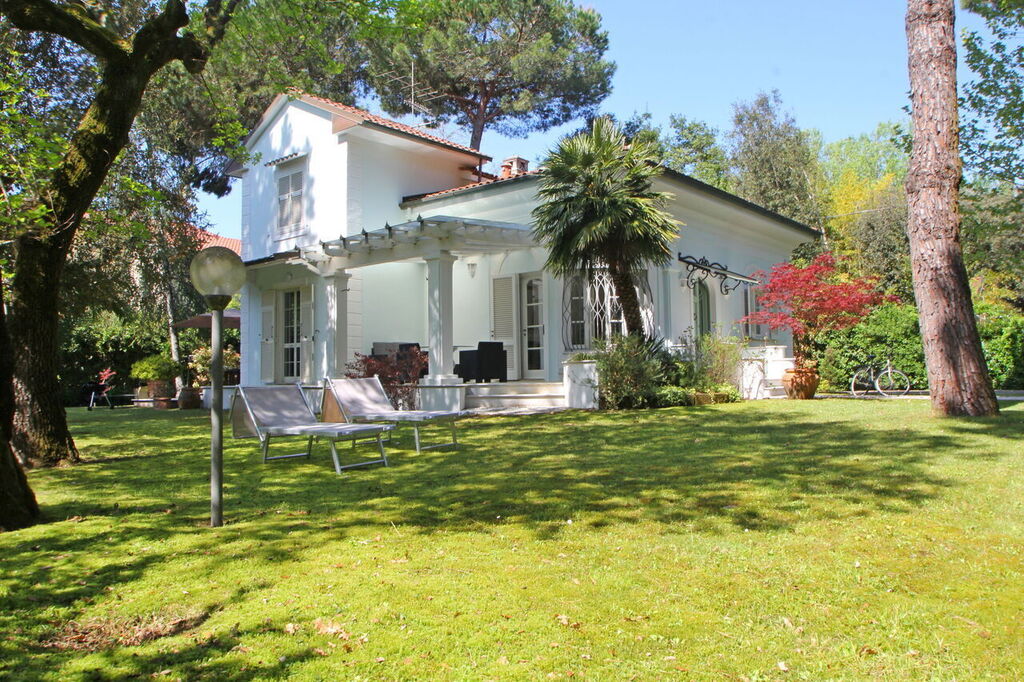
Imagine this: you open a booking platform, see a Tuscan stone house with a pool, olive trees and the promise of ‘10 minutes to the nearest beach’ – and three clicks later, you’re out of pocket by 2,400 euros. It’s only on the confirmation page that you realise: Final cleaning: 95 euros. Air conditioning extra. Tourist tax per person per night. Security deposit on arrival.
Welcome to the reality of the holiday home market in Italy.
This isn’t meant to be a deterrent. A holiday home in Italy can be one of the most enchanting holidays you can book – more space, more privacy, more authenticity than any hotel. But the difference between a relaxed arrival and shaking your head at check-in almost always lies in the preparation.
This guide shows you what really matters: from choosing a booking platform and hidden costs to security deposits, cancellation policies and what ‘right by the sea’ means in practice.
Where to book? A comparison of booking platforms, agencies and direct rentals
The first decision isn’t where in Italy – but through which channel you book. This choice has a direct impact on your protection, your costs and who you’ll be dealing with if something goes wrong.
Booking portals: Airbnb, FeWo-direkt, HomeToGo, Casamundo
Comprehensive portals bring together tens of thousands of listings, offering comparability, reviews and standardised filters. What many holidaymakers underestimate is that they also provide integrated buyer protection. Payment and communication are handled via the platform, and in the event of a dispute, the provider acts as a defined mediator.
Airbnb operates with standardised cancellation policies – flexible, moderate and strict. Depending on the tariff, free cancellation is possible up to a certain point in time. Important: if you cancel outside the platform, these rules do not apply. Protection depends on the system.
The catch: platform fees often only become visible on the final booking page – and can increase the final price by 12–20 per cent.
Holiday home agencies: curated, personalised, with clear terms and conditions
Agencies or specialist Italian agents offer vetted properties with international-speaking contacts and their own, clearly structured terms and conditions. For many holidaymakers, this offers real added value – particularly if questions arise or something goes wrong on site.
The downside: agencies have their own cancellation and deposit policies, which vary considerably from one another. Read the terms and conditions before booking – not as a formality, but to understand the pricing.
Direct booking: price advantage with greater personal responsibility
It is also possible to book directly with the host via platforms or local agencies in Italy. Price advantages and individual arrangements are more realistic here. However, there is no standardised protection. Communication is sometimes only in Italian, and cancellation and deposit rules are less consistent. Whatever the case, all essential details – deposit amount, cancellation terms, refund deadlines – must be clearly set out in writing before any money changes hands.
What a holiday home in Italy really costs
€140 a night – sounds attractive. But what appears on the final bill is a different story. Here are the costs you should factor in from the outset.
Basic rent and seasonal rates
Italian holiday homes are usually let on a weekly basis, with minimum stays of 5–7 nights, particularly during the peak season. The price differences between seasons are significant: a house in Tuscany in August can cost twice as much as the same property in May – with comparable weather and far fewer tourists. If you’re flexible with your dates, you’ll often find the best value for money in the early and late seasons.
Additional costs: the hidden price driver
This is where you’re most likely to be in for a surprise. Typical additional charges in Italian booking terms and conditions:
- Final cleaning: a flat rate of 60–95 euros, or more for larger properties – usually compulsory, not optional
- Utility costs (electricity, water, gas): either a flat rate per week (often 35–50 euros) or based on meter readings; air conditioning is frequently charged separately
- Tourist tax (tassa di soggiorno): per person per night, typically 0.30–2.00 euros, usually limited to the first 7–14 nights, with children often exempt
- Optional extras: cot, highchair, extra bed, towels – things that are standard in a hotel often cost extra here
A holiday home that appears to be cheap can end up being 15–25% more expensive than the listed price due to these items. The terms and conditions are not just a formality – they are your actual price breakdown.
Contract and cancellation terms: What you’re bound by
Most agencies require a deposit of 20–30% of the rental price upon booking. The balance is usually due shortly before arrival or at check-in. The term ‘caparra confirmatoria’ appears in many Italian contracts – and it is significant. The caparra is a legally binding form of deposit under the Italian Civil Code (Art. 1385 c. c.) – not just a simple deposit:
- If the tenant withdraws: The landlord may retain the caparra.
- If the landlord withdraws: They must usually repay double the caparra.
This is not just small print – it is the legal core of the contract.
Cancellation terms: What costs what and when
The rules vary considerably depending on the provider. An overview of typical models:
- Generous: Free cancellation up to 30–60 days before arrival, followed by tiered fees
- Moderate: Loss of the deposit from a certain date onwards; full rent payable if cancelled within the last 30 days
- Strict: No or minimal refund from the moment the booking is confirmed
Check the cancellation terms before you book – not afterwards. And consider whether travel cancellation insurance makes sense for your booking.
Security deposit: Amount, payment and what happens in the event of a problem
In addition to the caparra, many landlords require a separate security deposit (deposito cauzionale) – typically 100–400 euros, or more for high-end properties. This is paid when the keys are handed over and refunded upon the property being returned in good condition.
The amount is not regulated by law for holiday lettings in Italy – everything must be set out in the contract. You should therefore check:
- Exactly how much is the security deposit?
- How is it paid – in cash, by card or via pre-authorisation?
- Within what timeframe will it be refunded?
- What is contractually defined as damage covered by the security deposit?
Caparra vs. security deposit: the difference that matters
Many holidaymakers confuse the two terms – with real consequences. The ‘caparra confirmatoria’ is a deposit that serves a contractual purpose: it governs what happens in the event of cancellation. The security deposit (deposito cauzionale) has nothing to do with this. It serves solely as protection against damage and additional costs – and is refunded in full if the property is returned without any issues. Both terms often appear in the same contract but refer to fundamentally different things.
Location, facilities and ‘Italian reality’
There is an unspoken agreement between some holiday home adverts and the reality on the ground that you should be aware of – before you arrive. ‘Sea view’ can mean an unobstructed panoramic view of the sea. Or a narrow blue strip between two houses, visible only in ideal light and from a specific vantage point on the terrace. ‘10 minutes to the beach’ doesn’t always mean on foot. A car is often essential – and finding a parking space at the beach during peak season is an adventure.
Facilities to own standards are not guaranteed as standard. Coffee machines, dishwashers, mosquito nets, reliable Wi-Fi and working air conditioning – all of these may be available. But they might not be.
What helps:
- Read the full list of facilities, not just the highlighted features.
- Study guest reviews carefully – references to noise, steep slopes, a lack of shade or unreliable Wi-Fi are almost exclusively found there.
- Before booking, ask specific questions about what’s important to you – in writing, so that it’s documented.
Arrival, check-in and tourist tax: the practical details
Most agencies set strict time slots: check-in is often between 3.30 pm and 7.30 pm, and check-out between 9.00 am and 10.00 am. Anyone arriving later must notify the agency in advance – otherwise, the handover of keys may not go ahead. At check-in, identity documents are often required for all guests. This is not a form of harassment, but a legal obligation to register: landlords must submit guest details to the relevant authority (the municipality or the police).
Tourist tax: have cash ready
The Tassa di soggiorno is a local tax that is paid directly on site. The amount varies depending on the municipality and the property: typically, 0.30–2.00 euros per person per night, usually limited to 7–14 nights, with children up to the age of 11 often exempt.
Pets, children and special requirements
Many holiday homes generally allow pets – but almost never without express permission and usually for an additional charge (typically around 30 euros per week, sometimes more). Occasionally, the security deposit is set higher for pet owners. Anyone who fails to clarify this in advance and simply arrives with a dog risks a conflict on arrival – and possibly the termination of the contract. The terms and conditions are usually very clear on this point.
Occupancy and children’s equipment
The terms and conditions specify a maximum number of guests, and children above a certain age count as full guests. Accommodating more people than permitted constitutes a breach of contract – with possible consequences including termination of the contract. Cots, highchairs, extra beds or wheelchair-accessible facilities must be requested explicitly – and are not always available. If you have special requirements, it’s better to ask before booking rather than after.
The most common booking mistakes – and how to avoid them from the start
Based on experience with thousands of bookings, the same mistakes keep cropping up:
Only looking at pictures and price. The most attractive photos say nothing about cancellation policies, security deposits or additional charges. If you don’t read these, you’re buying a pig in a poke.
Assuming air conditioning is a given. When it’s 35 degrees in a southern Italian summer, working air conditioning is no luxury. However, it’s often not included – and not always available.
Failing to declare pets or extra guests. Anything that goes unnoticed can become a serious problem at check-in or when settling any damage claims.
Reading the cancellation policy only after booking. By that point, you no longer have any opportunity to negotiate.
Your checklist before booking
- Have you read the terms and conditions and cancellation policy in full?
- Have you checked the additional costs (final cleaning, electricity, air conditioning)?
- Have you noted down the security deposit amount, payment method and refund period?
- Have you enquired in advance about pets, cots and any special requirements?
- Have you budgeted for tourist tax and cash?
- Have you considered travel cancellation insurance?
FAQ: Concise answers to the most important questions
How much is a typical security deposit for a holiday home in Italy?
Typically, 100–400 euros, or more for high-end properties. The amount, payment method and refund period must be clearly stipulated in the contract.
What is the difference between a security deposit and a ‘caparra confirmatoria’?
The ‘caparra’ is a deposit that serves as a contractual guarantee – it governs what happens in the event of cancellation. The security deposit covers damage and additional costs and is refunded in full upon the property being returned in good condition.
Until when can I cancel free of charge?
That depends on the provider. Many agencies allow free cancellation up to 30–60 days before arrival. Airbnb and other platforms have their own policies. Check this before booking.
Are pets allowed in Italian holiday homes?
In many properties, yes – but almost always only on request and for an additional charge. If you don’t clarify this in advance, you risk running into problems on arrival.
Do I have to pay tourist tax?
In most municipalities, yes. The standard rate is 0.30–2.00 euros per person per night, limited to 7–14 nights. Children are often exempt. Make sure you have cash to hand.
What should I do if the accommodation doesn’t live up to expectations?
Please report any issues in writing on the day of arrival and, if possible, include photos. When booking via platforms such as Airbnb, there are defined goodwill procedures. With agencies and direct landlords, what matters is what you have agreed in writing.
Conclusion: If you book with care, you’ll enjoy a more relaxed holiday.
A holiday home in Italy can be one of the most breathtaking holidays of your life. Your chances of this happening increase significantly if you know what you’re booking – and what’s in the contract before you sign it. Choice of platform, cancellation terms, additional costs, security deposit, pet policies: it all sounds like red tape. In practice, it’s the foundation that ensures nothing stands between you and dinner on the terrace – apart from a delicious glass of Primitivo.
Note: All information regarding security deposit amounts, cancellation policies and additional costs is for general guidance only. The specific terms and conditions depend on the individual provider and property. Always check the individual booking terms and conditions before signing the contract.