
- September In Tuscany: Why The Month After Summer Is The Smartest Time To Book Your Holiday Home
- Renting A Holiday Home In Italy: What You Need To Know Before Booking – And What Most Booking Sites Don’t Tell You
Sicily or Tuscany? An honest comparison for holidaymakers
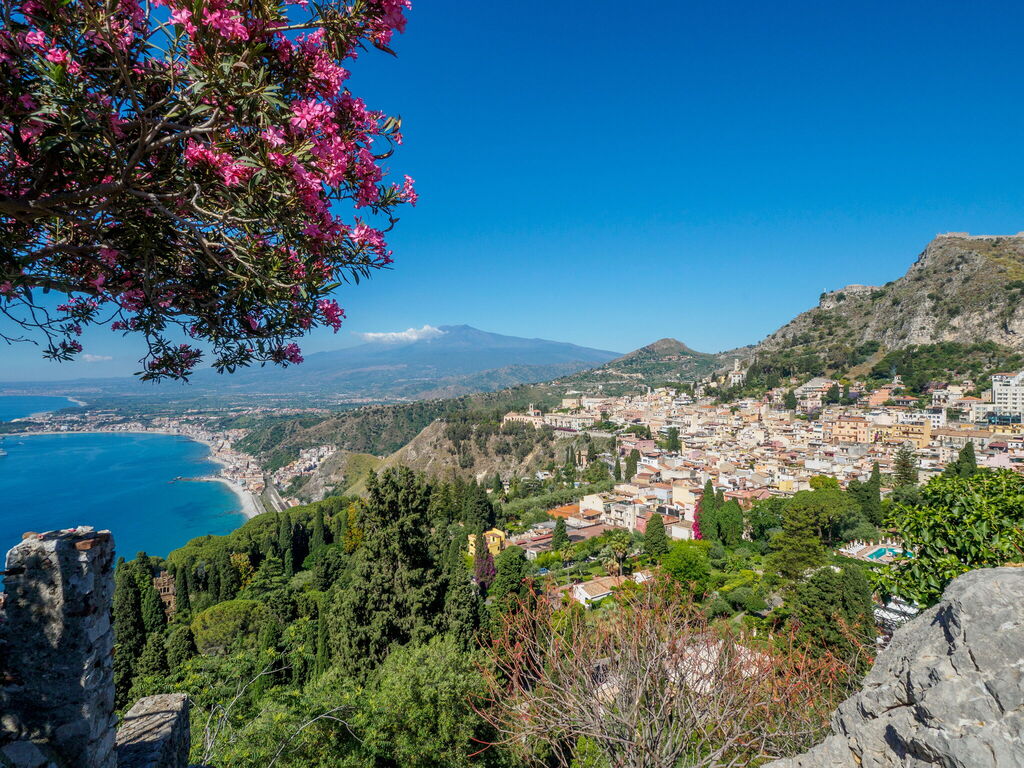
It’s one of the most frequently asked questions in German travel forums, WhatsApp groups and when planning holidays around the kitchen table: Sicily or Tuscany? Both regions promise the very best Italy has to offer – sun, sea, history, food and that special atmosphere for which no other country has a true equivalent.
But they promise it in fundamentally different ways. And that is precisely where the decision lies.
This article offers you no compromise and no vague answer. It provides an honest, structured comparison – with specific recommendations based on your travel style, the time of year you’re travelling and your priorities. So that, in the end, you’re not left with a vague ‘both are lovely’, but with clarity.
Why now, of all times – Italy trends 2026
Tuscany has topped the rankings of Italy’s most popular holiday regions for years – in studies, search volume analyses and the booking data of major holiday home portals. It is the established premium destination, the image of Italy that has become ingrained in the minds of German-speaking travellers over decades: cypress trees, vineyards, Florence, Chianti.
Sicily has caught up massively in recent years. The largest island in the Mediterranean now ranks third among Italy’s most popular regions in current tourism rankings – and the gap to the top is narrowing. International travel magazines are rediscovering the island, social media is accelerating this process, and demand for holiday homes in Sicily is growing noticeably.
What this means for holidaymakers: Tuscany is the safe, tried-and-tested destination. Sicily is the up-and-coming, often surprising one. Both will be in top form in 2026 – the question is, which one suits you best.
Landscape and atmosphere: rolling hills versus island vibes
That is the crux of the difference – and it is fundamental.
Tuscany is an experience of gentle drama. Hilly landscapes stretching out in endless waves of vineyards and olive groves. Avenues of cypress trees leading to secluded country houses. Medieval towns such as Siena, San Gimignano or Volterra, which look as though someone has frozen the Renaissance in time and bathed it in sunlight. Tuscany is Italy as you imagine it – and it reliably lives up to that image.
Sicily offers a different kind of beauty – wilder, more contrasting, less predictable. The coastlines are dramatic, the beaches long and sandy, and towering above it all is Mount Etna, Europe’s highest active volcano, which occasionally reminds us of its existence. Palermo is loud, chaotic and wonderful. Noto and Syracuse are baroque and golden. The hinterland is rugged and largely untouched by tourism. Sicily surprises – even on a second or third visit.
The key question is: do you want to immerse yourself in a familiar ideal – or let yourself be surprised by an island with more layers than a week can reveal?
Climate and best time to visit when to go where
Both regions are in southern Europe – but climatically, they are more different than the distance between them would suggest.
Tuscany has a mild Mediterranean climate with warm summers, cooler evenings in the hills and a long, pleasant transitional period in spring and autumn. May to June and September to October are considered the best months: pleasant temperatures, few tourists, and the countryside at its best. August is hot, crowded and expensive – many Italians are on holiday themselves, and popular destinations such as Florence or San Gimignano can become unbearable in the midday heat.
Sicily has a climate reminiscent of North Africa – and that is meant quite literally. The summers are long, hot and dry. During periods of sirocco winds from the Sahara, temperatures in coastal regions can rise to over 40 degrees, and even higher still in the hinterland. The swimming season starts early – the sea is already pleasantly warm in May – and lasts well into October. Winters are mild; snow is a rarity at sea level.
A clear guide:
- If you prioritise culture and scenery and have flexible travel dates: Tuscany in May, June or September
- If you’re planning a long beach holiday and can cope with the heat: Sicily in July or September
- If you’re travelling with children and want to avoid the extreme midday heat: Tuscany in June or Sicily in early September
- If you can travel outside the peak season: Sicily in October or November for unusually pleasant temperatures
Beaches and swimming: Versilia versus Cefalù
Both regions have beaches – but they are very different in character.
Tuscany offers its most exquisite beaches along the Versilia coast: Viareggio, Marina di Massa, Forte dei Marmi. Wide sandy beaches, well-developed, family-friendly, with high-quality dining right by the sea. Further south, in the Maremma, things become quieter and more unspoilt. Tuscany is not purely a beach destination – but it is an excellent choice for a combined holiday if you’re looking for both coast and countryside.
Sicily is first and foremost a coastal region. The island is surrounded by water, and the variety of its coastline is enormous. There is a long sandy beach near San Leone and Agrigento. Then there is the dramatic setting of Cefalù, with its medieval cathedral perched directly above the sea. The bays around Taormina, with views of Mount Etna, and the shallow waters of the Gulf of Castellammare in the north-west are also charming. Sicily is for people who see the beach as a way of life – not just an afterthought.
If swimming is your main reason for visiting Sicily. Full stop.
If swimming is to be a pleasant addition to your excursions: Tuscany.
Culture and indulgence: the Renaissance versus antiquity
Culturally, both regions are world-class – but rooted in very different eras and styles.
Tuscany is the heart of the Italian Renaissance. Florence alone would suffice as a destination in its own right: the Uffizi, the Ponte Vecchio, the Duomo, Michelangelo. Then there’s Pisa with its Leaning Tower, medieval Siena with its Piazza del Campo, Lucca, surrounded by city walls, and San Gimignano, dominated by its towers. Art history packed into a tiny space, in a density that hardly any other region in Europe can match.
Culinary-wise, Tuscany is synonymous with Chianti and Brunello, with Bistecca alla Fiorentina, with Pecorino and truffles, and with agriturismi, where you stay right on the vineyards and dine in the evening at a long wooden table.
Sicily offers a different journey through time – further back, with a greater variety of influences. The Greek temples of Agrigento and Selinunte are among the best-preserved in the world. Syracuse was once the most powerful city in the western Mediterranean. The Baroque towns of south-eastern Sicily – Noto, Ragusa, Modica – are UNESCO World Heritage Sites and breathtaking in their golden splendour. And Mount Etna is not just a geological phenomenon, but also a cultural experience: vineyards on volcanic ash, lava-stone architecture, and a distinct gastronomic culture.
Culinary-wise, Sicily is a world of its own: Arab, Greek and Norman influences have shaped a cuisine that differs fundamentally from the rest of Italy. Caponata, arancini, fresh swordfish, granita, cannoli – a cuisine that surprises and delights.
If you’re looking for the Renaissance and art history: Tuscany.
If you’re looking for ancient sites, Baroque architecture and culinary surprises: Sicily.
Prices, getting there and what to expect
Tuscany is regarded as a premium region – and this is reflected in the prices. Holiday homes in prime locations such as Chianti, around Florence or on the Versilia coast are among the most expensive in the whole of Italy. Anyone looking for a house with a pool and a view of the vineyards during the high season will quickly find themselves facing substantial price ranges.
By comparison, Sicily often offers better value for money – particularly outside the absolute hotspots such as Taormina or Cefalù. Those willing to look beyond the best-known destinations will find very attractive holiday homes in Sicily at prices that simply wouldn’t exist in Tuscany.
Trend: Sicily is often cheaper in a direct comparison – especially in autumn and spring.
This is one of the most practical distinguishing factors.
Tuscany is easily accessible by car from southern Germany, Austria and Switzerland – around 7–9 hours from Munich or Vienna. No changing trains, no luggage limits, no hire car logistics at your destination. For families with child seats, bicycles or simply a lot of luggage, this is a significant advantage.
Realistically, Sicily is almost always reached by plane – followed by a hire car at the destination airport, as the island is vast and public transport outside the cities is limited. This makes Sicily a more deliberate choice: it requires more planning but also offers a clear break from everyday life.
If you want to travel on the spur of the moment or drive, there: Tuscany.
If you’re looking for a deliberate escape into another world: Sicily.
The comprehensive comparison table
|
Criterion |
Tuscany |
Sicily |
|
Image |
Renowned top region, undisputed number 1 |
Up-and-coming trendy destination, a popular number 3 |
|
Landscape |
Hilly countryside, vineyards, cultural cities |
Island, coastlines, volcano, sandy beaches |
|
Climate |
Warm to hot summers, pleasant evenings |
Very hot, North African-like, with possible Scirocco winds |
|
Ideal time to visit |
May–June, September–October |
May–June, September–October; summer for beach lovers |
|
Beaches |
Versilia coast, Maremma |
All around the island, great variety |
|
Cultural highlights |
Florence, Siena, Pisa, San Gimignano |
Agrigento, Syracuse, Noto, Taormina, Mount Etna |
|
Getting there (Germany, Austria, Switzerland) |
By car approx. 7–9 hours, many flights |
A flight is almost always necessary |
|
Family-friendliness |
Short journey, beach options |
Plenty of beaches, higher temperatures in high summer |
|
Price level |
Tending towards the higher end, premium region |
Generally, more affordable, good value for money |
|
Cuisine |
Chianti, steak agriturismo |
Arabic, Greek and Norman influences, fish, desserts |
|
Bathing season |
May–September |
April–October |
Recommendations by travel type: If X, then Y
If you’re travelling to Italy for the first time and want to experience the classic image of Italy – vineyards, cypress trees, Renaissance towns, excellent infrastructure, straightforward journey – Tuscany is the better choice. It reliably delivers what it promises and is logistically straightforward.
If, right from the start, you’re looking for an island experience with plenty of sea, extraordinary history and culinary surprises, and are prepared to fly there, then Sicily is a fantastic first destination. Many people find themselves more enthusiastic than they expected right from the start.
For families with children
If you’re travelling with young children and a shorter journey is essential, then Tuscany – with its coastal region around Viareggio and the nearby cultural towns – is often a better fit. If you’re looking for an excellent mix of days at the beach and day trips, Tuscany is also a good choice. The heat is moderate and the infrastructure is reliable.
If your children love the beach, can cope well with the heat and would be thrilled by a volcano as a day-trip destination – Sicily is ideal. Mount Etna, the long sandy beaches and the warm sea are hard to beat for adventure-seeking families.
For gourmet travellers and wine lovers
If Chianti, Brunello, agriturismi, truffles and classic Tuscan cuisine define your idea of a holiday – Tuscany is virtually flawless. It is the gastronomic heart of central Italy and offers experiences that cannot be replicated elsewhere.
If you’re keen to try new things and fancy a cuisine that will surprise you, Sicily will delight you. You can look forward to fresh swordfish, arancini, granita, cannoli and a world of spices and flavours that blends European and North African influences.
For culture lovers
If art history, the Renaissance and medieval townscapes are what capture your interest – Tuscany is clearly the place to go. The concentration of world-class museums and UNESCO sites within such a small area is unique.
If you’re fascinated by ancient sites, Greco-Roman architecture, Baroque towns and the unique cultural blend of an island at the crossroads of three continents, Sicily speaks a different – yet no less powerful – language.
FAQ: Sicily or Tuscany?
Which is more highly recommended for a first holiday in Italy – Sicily or Tuscany?
For most first-time visitors, Tuscany is the easier place to start easily accessible, with a wide range of cultural and beach options, and a reliable infrastructure. However, if you’re specifically looking for an island and beach experience with an extraordinary history, Sicily is also the right choice – and will often surprise you more than you expect.
Where is the weather more pleasant – Tuscany or Sicily?
That depends on what you mean by ‘better’. Tuscany offers a more pleasant, milder climate with cooler evenings – ideal for cultural trips and active holidaymakers. Sicily has a longer, hotter summer with one of the warmest seas in the western Mediterranean – ideal for beach holidays, but with periods of the sirocco wind that can prove a challenge even for die-hard sun worshippers.
Which region is cheaper?
Sicily is often cheaper in a direct comparison – both for holiday homes and for day-to-day costs such as eating out and shopping. Tuscany is regarded as a premium region, and popular areas such as Chianti or Versilia are priced accordingly.
Which region is better suited to families with children?
Both work well – for different reasons. Tuscany scores highly with a shorter journey, more moderate heat and an excellent combination of beach days and cultural excursions. Sicily appeals to beach-loving families with its long sandy beaches, warm sea and Mount Etna as a spectacular day-trip destination.
Can you combine Sicily and Tuscany in one holiday?
Theoretically, yes – but in practice, it rarely makes sense. Both regions deserve at least a week each. If you want to experience both, it’s better to plan two separate trips and give each region the time it deserves.
When is the best time to visit both regions?
For Tuscany, May to June and September to October are ideal. Sicily has a longer window: it’s pleasant from as early as April, with September being the best month for a combination of beach weather and fewer tourists.
Conclusion: Two versions of Italy – both are right
There is no objectively superior answer to the question of whether to choose Sicily or Tuscany. There is only the answer that suits you best. Tuscany is the reliable masterpiece: well thought-out, perfectly composed, with a promise it has kept for decades. If you know what you want – wine, art, rolling hills, a short journey – you won’t be disappointed. Sicily is the surprise package: larger, rougher, more diverse, sometimes more demanding – and therefore often more unforgettable. If you’re open to an island that reveals more than it promises at first glance, you’ll want to come back.
Both regions have one thing in common: a first-class holiday home makes the difference between an unforgettable holiday and one that people will still be talking about years later.
Note: Climate information, recommended travel times and price guidelines are based on general market observations and are provided for guidance only. Individual experiences may vary depending on the region, season and chosen accommodation.