
- Italy's Secret National Parks – Where Nature And History Meet!
- When Time Stands Still: Italian Art Of Living Between Midday Heat And Espresso
How to live in Italy for three months – without looking like a tourist
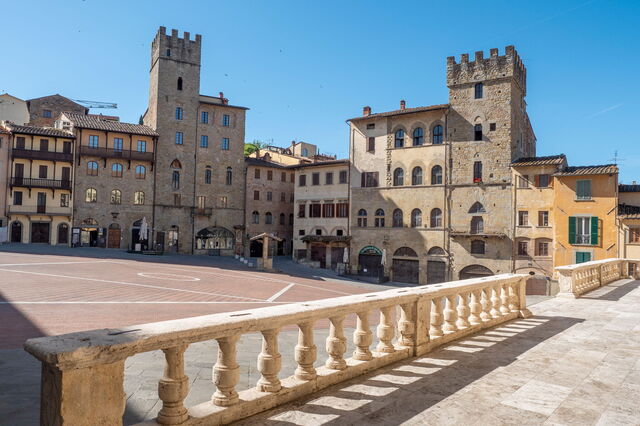
Italy – that's la dolce vita, sunshine, espresso, and the sea. But anyone who stays longer than just two weeks quickly realises that there is a world of difference between a holiday idyll and real life. Spending three months in Italy is more than just sightseeing – it's an invitation to experience the country in depth. This is enough time to develop routines, get to know people, and feel how Italians really live. The difference between ‘travelling’ and ‘living’ is subtle – but it changes your view of the country forever.
Why three months is just right
Three months is long enough to settle in – and short enough to enjoy the adventure. EU citizens do not need a special visa, which keeps the threshold low. The first few weeks are a period of discovery, the second few weeks are routine – and the last few weeks are pure familiarity.
Tip: Don't plan too much in advance. Instead of constantly changing locations, it's worth finding a permanent place to stay – from there, you can discover Italy at your leisure. Those who just arrive remain tourists. Those who stay become part of the whole.
Preparation: Bureaucracy, accommodation, first steps
EU citizens do not need a visa. Nevertheless, there are a few things you should arrange in advance: international health insurance, accommodation, and a financial cushion.
Start well prepared: What is important before leaving for Italy
EU citizens who want to spend three months in Italy can enter the country easily without a visa – stays of up to 90 days are visa-free. Nevertheless, good preparation is crucial for a smooth start. A European Health Insurance Card or additional international health insurance offers protection in case of illness. Accommodation should be organised well in advance – ideally, with a personal visit to the location. For payments, a combination of debit/credit card and cash is recommended, as many smaller shops do not accept card payments. And to avoid roaming charges, an Italian prepaid SIM card is an inexpensive and practical solution for mobile internet and telephony.
Authentic living instead of tourist accommodation
Tourist apartments are comfortable – but rarely authentic. For a genuine lifestyle, it is better to look in residential areas or small towns. Platforms such as Idealista.it, Subito.it or Facebook groups (keyword: affitto breve termine) can help.
Italian rental terms explained briefly:
- Monolocale = one-room flat
- Bilocale = two rooms
- Spese incluse = utilities included
A typical old building flat in Bologna: high ceilings, small kitchen and an espresso on the balcony – this is how everyday life begins like a local.
Where to live? Cities with a genuine Italian rhythm
Not every city is equally suitable for three months. Atmosphere, cost of living and authenticity are the deciding factors.
Bologna – a student city with heart
Cafés, arcades, osterias – life pulsates here. Ideal for Italian learners and anyone who wants to make friends quickly.
Lecce – Baroque south
In Apulia, you can live much more cheaply among olive groves, the sea and Baroque facades. Everything moves at a slower pace here – but it's all the more intense for it.
Trieste – cosmopolitan and relaxed
Italian, Slovenian, Central European – Trieste brings cultures together. Ideal for anyone looking for history and serenity.
How much does it cost to live in Italy – an overview of monthly expenses
The cost of living in Italy varies greatly depending on the region and city – those who are well informed can save money. For example, in Bologna, a lively student city in the north, the monthly rent for a one-room flat is around €850, plus around €650 for living expenses. This amounts to a total cost of around €1,500 per month. Life is significantly cheaper in the south, for example in Lecce: here, you pay an average of only €1,100 per month, with rent around €600 and moderate living costs. Trieste, located in the north-east and culturally diverse, lies somewhere in between in terms of price: €1,300 per month is a realistic benchmark here. If you are flexible, you can save a lot by choosing the right location – without compromising on quality of life.
Everyday life: How not to look like a tourist
Your Italian doesn't have to be perfect. A simple “Buongiorno” or “Come va?” can already change the encounter. English is possible, but it creates distance.
Tip: Instead of apps, opt for real conversations – tandem groups, language cafés, or local get-togethers offer practice and connection at the same time.
Shopping and Eating: The taste of everyday life
When you shop at the market, you learn more than just vocabulary: you get a feel for the culture. Fresh bread, olive oil, fruit – every bag contains a piece of the Italian way of life.
No tourist trap: the weekly market in Lecce – loud, colourful, and full of stories.
Cooking is culture. A simple pasta al pomodoro, made with local ingredients, can be more satisfying than any Michelin-starred meal. And in Italy, you never eat “on the go”.
Social contacts: Friendships instead of small talk
Italians are sociable, but not superficial. If you visit the same bar regularly, you will soon be greeted by name.
Tip: Local clubs, sports groups, or summer festivals (sagre) are perfect places to make real connections.
Work, study or just live
Three months open many possibilities: a creative break, a language trip, or remote work.
Remote work: No problem: there are co-working spaces in almost every city – from lofts in Milan to beach offices in Bari. The internet is usually reliable, but outside the cities, it can be patchy.
Learning and Inspiration: Many people use the time to write, take photographs or simply reflect. The aesthetics of everyday Italian life encourage creativity.
Cultural subtleties: How not to appear like a tourist
A brief handshake is sufficient. Kisses are reserved for friends. ‘Ciao’ is informal, ‘Buongiorno’ is always appropriate.
Tipping is not mandatory, but one euro never hurts. Cappuccino after 11 a.m.? A no-go in Italy. Espresso or caffè macchiato are preferable.
Loudness is part of the culture. Punctuality is not necessarily. Patience is your best companion – but, in return, you get espresso, sunshine and serenity. Belonging in the piazza means forgetting time, drinking espresso and people watching.
From travelling to living: what changes inside you
After a few weeks, something changes. Bureaucracy is annoying, buses are late and the washing machine sometimes breaks down. But that's exactly what makes it special. Three months in Italy are a crash course in patience, spontaneity – and the art of living. You learn to live with less planning. You discover rituals: the smell of espresso, the neighbour's laughter, the silence of the siesta. And suddenly, you no longer feel like a stranger.
Conclusion: Three months that will stay with you!
Three months in Italy are not a holiday – they are an experience. Those who are prepared not only to consume, but also to participate, will take away more than just photos. Italy does not reveal its beauty immediately – but to those who stay. Those who take their time. And who embrace what life there is about. It is not the country that makes the difference. It is how you live in it.