
Tuscany without Florence: 10 peaceful spots for a relaxing holiday amongst villages, vineyards and nature
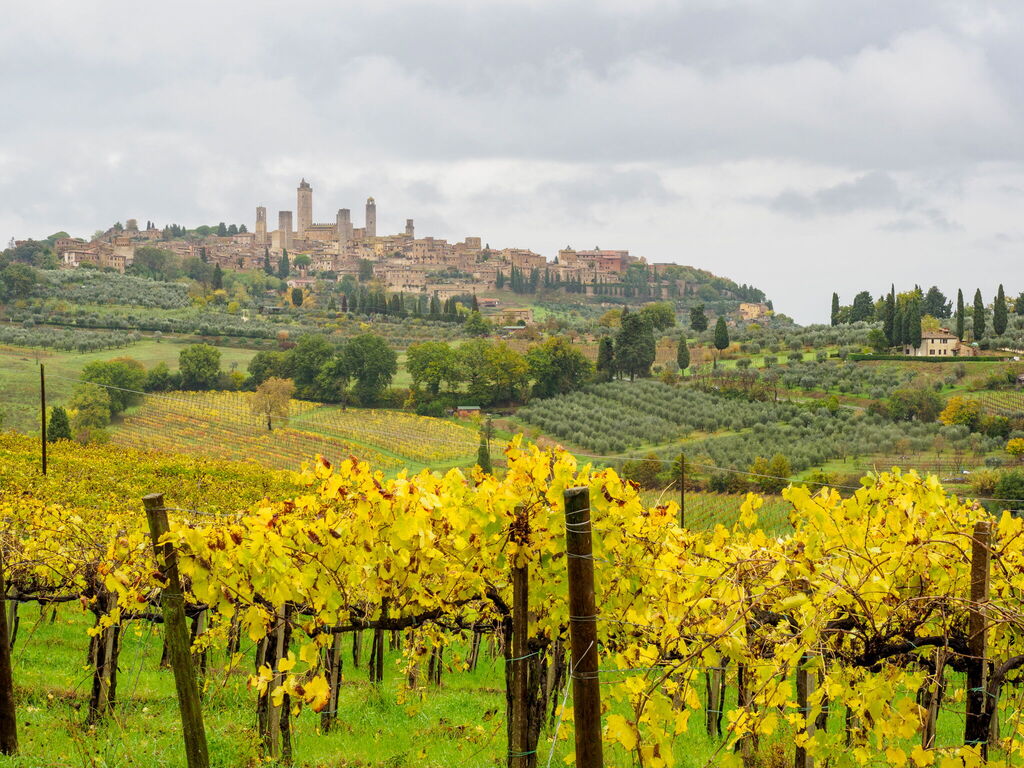
If you close your eyes and think of Tuscany, the same image usually springs to mind: avenues of cypress trees, rolling hills, a glass of red wine at sunset – and somewhere in the midst of it all, the dome of Florence Cathedral, surrounded by people with selfie sticks. It is precisely this image that is worth taking a closer look at. For Tuscany is far more than its most famous city, and anyone who experiences it away from the art capital isn’t missing out on anything – they’re simply discovering a different pace of life.
The figures speak for themselves. In 2024, the region recorded just under 15 million visitor arrivals and around 46 million overnight stays. Florence and its immediate surroundings alone accounted for around a quarter of all overnight stays in the whole of Tuscany. One city, a quarter of the region – that explains why, on some days in July, it’s almost impossible to find a way through the narrow streets of the old town, whilst two hours’ drive further south, a village is peacefully enjoying its midday siesta.
This article is therefore not an anti-Florence campaign. Florence deserves its reputation, no question about it. But if you’re looking for a holiday that involves fewer queues for tickets and more long dinners, quiet walking trails and vineyards, then the real Tuscany lies elsewhere: in the Val d’Orcia, in the Maremma, in the tuff-stone countryside of the south and in the green mountains of the Garfagnana.
What ‘quiet Tuscany’ really means
A word of introduction before the list begins: tranquillity is relative. Even San Gimignano, Pienza and the Chianti region are no longer considered hidden gems – in August, even the smallest piazzas fill up with coach tours. The ten places featured in this article should therefore not be seen as undiscovered gems, but rather as smart starting points for a different style of travel.
The difference lies less in the place itself than in the way you travel. If you change accommodation every day, tick off a new sight every morning and plan your next journey in the evening, you’ll remain in hectic mode – no matter how small the village you’re staying in. By contrast, if you stay in one place for three or four nights, go for a walk in the morning before the heat sets in, and deliberately visit the well-known highlights outside peak times, you’ll experience exactly the kind of Tuscany depicted on postcards.
Ten places for your peaceful Tuscan holiday
Val d’Orcia and southern Siena: wine, hills, thermal baths
Montefollonico lies on a hill between Val d’Orcia and Valdichiana and, from the moment you arrive, feels like a place where time moves at a different pace. Stone-paved alleyways, sweeping views over vineyards, plus its proximity to Montepulciano and Pienza should you fancy a bit of culture. Ideal for anyone who wants wine and countryside without staying right in the middle of one of the well-known centres.
Bagno Vignoni is no longer an insider’s tip, but a place you simply must see: a piazza made not of cobblestones but of a steaming thermal pool. You’re no longer allowed to bathe there, however – but there are nearby thermal baths and walking trails along the Via Francigena. If you arrive early in the morning, before the day-trippers turn up, you’ll have the place almost to yourself.
Radicofani lies high above the southern Val d’Orcia, crowned by a fortress offering one of the most sweeping views in the region. The village has a distinct stopover feel, typical of pilgrimage routes, and is an excellent, peaceful base for walks towards San Quirico d’Orcia or Bagno Vignoni.
Trequanda is a small, rural village that is best experienced as a place to stay rather than as a day-trip destination. Agriturismi, olive oil producers and narrow country lanes characterise the surrounding area – those who stay here have Montepulciano and Pienza within easy reach, without having to live in the thick of the hustle and bustle.
Murlo, south of Siena, combines a hilly landscape with a surprisingly rich Etruscan heritage. For anyone who wants to visit Siena but doesn’t wish to stay there overnight, Murlo is an obvious, peaceful alternative with its own cultural charm.
The Etruscan Coast and the Maremma: vineyards, woodland, open spaces
Suvereto on the Etruscan Coast, south of Livorno, combines a medieval centre with wine-growing regions and woodland. On-site wine tastings, walking trails towards Monte Calvi and chestnut groves make the village an excellent base – with the option of spending a day at the less crowded beaches towards Bolgheri.
Montieri in the Alta Maremma is more remote than the map might suggest. Stone-built mountain villages, cycle routes and a historic mining landscape characterise the area – a destination for active travellers who wish to experience the Maremma beyond beach tourism.
Alberese, situated in the heart of the Maremma Regional Park and around 15 kilometres south-east of Grosseto, is arguably the most unspoilt natural destination on this list. Hiking, cycling, taking in the scenery and spotting wildlife – here, it’s less about sightseeing and more about being outdoors.
Tuff landscape: history, written in stone
Sorano towers dramatically over a gorge in the southern Maremma and is part of the so-called Città del Tufo. Particularly impressive are the Vie Cave, ancient paths hewn deep into the tuff rock, whose walls rise to a height of more than 20 metres in places. Anyone walking through them is literally travelling through Etruscan history – and encounters surprisingly few other travellers along the way.
Mountainous Tuscany: The green alternative
Castiglione di Garfagnana in northern Tuscany reveals a completely different side to the region: mountainous, wooded, with an intact medieval city wall. The historic Via Vandelli leads through the Apuan Alps on a route approximately 44.6 kilometres long, which can be covered in two stages. For anyone who thinks Tuscany consists solely of Chianti and cypress trees, this place is the perfect corrective.
Alternatives for your next trip to Tuscany
If you’re visiting the region for a second or third time, it’s worth checking out other quiet base towns: Bagnone in Lunigiana with its chestnut woods; the culturally richer Barga in Garfagnana; Santa Fiora at the foot of Monte Amiata for fresh forest air and high-altitude surroundings; Manciano and Montemerano for thermal springs in the south; the tranquil Casale Marittimo between the hills and the coast; and Sarteano as an alternative in the Valdichiana area.
Volterra and Pitigliano are culturally impressive but have become so well-known that they are better suited as day trips rather than quiet places to stay overnight.
How to plan a leisurely trip through Tuscany
The most important piece of advice first: focus on one region, not the whole of Tuscany. If you rush from the Garfagnana to the Maremma in a week, you’ll spend more time in the car than at your destination. A more realistic approach is four to five days for a micro-region such as the southern Val d’Orcia, seven days for two neighbouring areas – such as the Val d’Orcia and the southern Maremma – or ten to fourteen days if you wish to combine the south and the north.
A hire car is practically indispensable in most of the places mentioned; public transport only serves many small villages to a limited extent or takes a considerable amount of time. When it comes to accommodation, an agriturismo fits in particularly well with the slow travel philosophy: home-grown breakfast, hosts with insider knowledge and the chance to stay in the same place for several nights instead of packing up and moving on every day.
You don’t have to avoid better-known destinations such as Pienza, Siena, Montepulciano or Pitigliano – simply plan your visits strategically: early in the morning, late in the afternoon or outside the peak season. And book walks, wine tastings or spa visits well in advance, particularly with smaller providers who have limited capacity.
Three route ideas to help you get started
|
Type of trip |
Route |
Character |
|
Wine, village life, thermal baths |
Montefollonico – Trequanda – Bagno Vignoni – Radicofani |
Gentle hills, wine, short drives |
|
Nature and the Etruscans |
Alberese – Sorano – Sovana – Pitigliano – Montieri |
Nature reserve, tuff landscape, walking trails |
|
Mountain Tuscany |
Barga – Castiglione di Garfagnana – Molazzana – Castelnuovo di Garfagnana |
Forests, mountains, active days |
The trick with all three routes: don’t pack your schedule too tightly. If you deliberately leave out a third activity each day, you’ll transform a classic round trip into genuine slow travel.
A style of travel with a lighter footprint
A more sustainable way of experiencing Tuscany doesn’t require grand promises. It stems from small decisions: staying longer in one place rather than moving on every day. Choosing small, local providers for tastings and guided tours. Using walking and cycling trails where they’re available. Staying on the marked paths in nature reserves and at archaeological sites. And, where possible, plan your trip for the shoulder seasons in spring or autumn – not only for the sake of the environment, but also for your own relaxation.
Frequently Asked Questions
Where in Tuscany is it particularly peaceful?
Alberese in the Maremma Regional Park, Montieri in the Alta Maremma and Castiglione di Garfagnana are particularly well-suited for a holiday close to nature. If you’re looking for vineyards and historic villages, Montefollonico, Trequanda, Murlo or Suvereto are good starting points. The Val d’Orcia, including Bagno Vignoni, is scenic and peaceful, but can be quite busy during peak season and at weekends.
Is it possible to experience Tuscany without visiting Florence?
Yes, without having to miss out on art, cuisine or history. Val d’Orcia, Maremma, Garfagnana, Lunigiana, Monte Amiata and the tuff region in the south all offer unique travel experiences – from medieval town centres and Etruscan archaeological sites to the Via Francigena.
Which region is best suited to a nature holiday?
For hiking and coastal nature, Alberese in the Parco Regionale della Maremma is the obvious choice. Those seeking mountainous landscapes and more challenging hikes will find them in the Garfagnana. And for those wishing to combine hiking with cultural history, the tuff region around Sorano, Sovana and Pitigliano is the place to go.
Which places are best suited for a wine holiday?
Suvereto combines a historic town centre with a wine-growing region and woodland trails leading towards Monte Calvi. Around Montefollonico, Trequanda and the Val d’Orcia, you can easily combine wine, rural accommodation and day trips to Montepulciano.
When is the best time to visit for a peaceful holiday in Tuscany?
Spring and autumn are generally considered the most pleasant times to visit: milder temperatures for walks and cycle rides, plus noticeably fewer crowds outside the summer holidays. You should check specific opening times, harvest dates and local festivals for the region in question before booking.
Conclusion: The other Tuscany awaits
Tuscany without Florence is not a sacrifice, but an invitation. Instead of ticking off ten sights in five days, in the Val d’Orcia, the Maremma, the Tuffstone Region or the Garfagnana you’ll find a holiday that moves at your own pace – along hiking trails rather than in queues, at wineries rather than in museum queues. That is precisely where the true luxury of this region lies: that, when explored properly, it truly allows you to unwind.