
Holidays in Italy 2027: The best region for every month
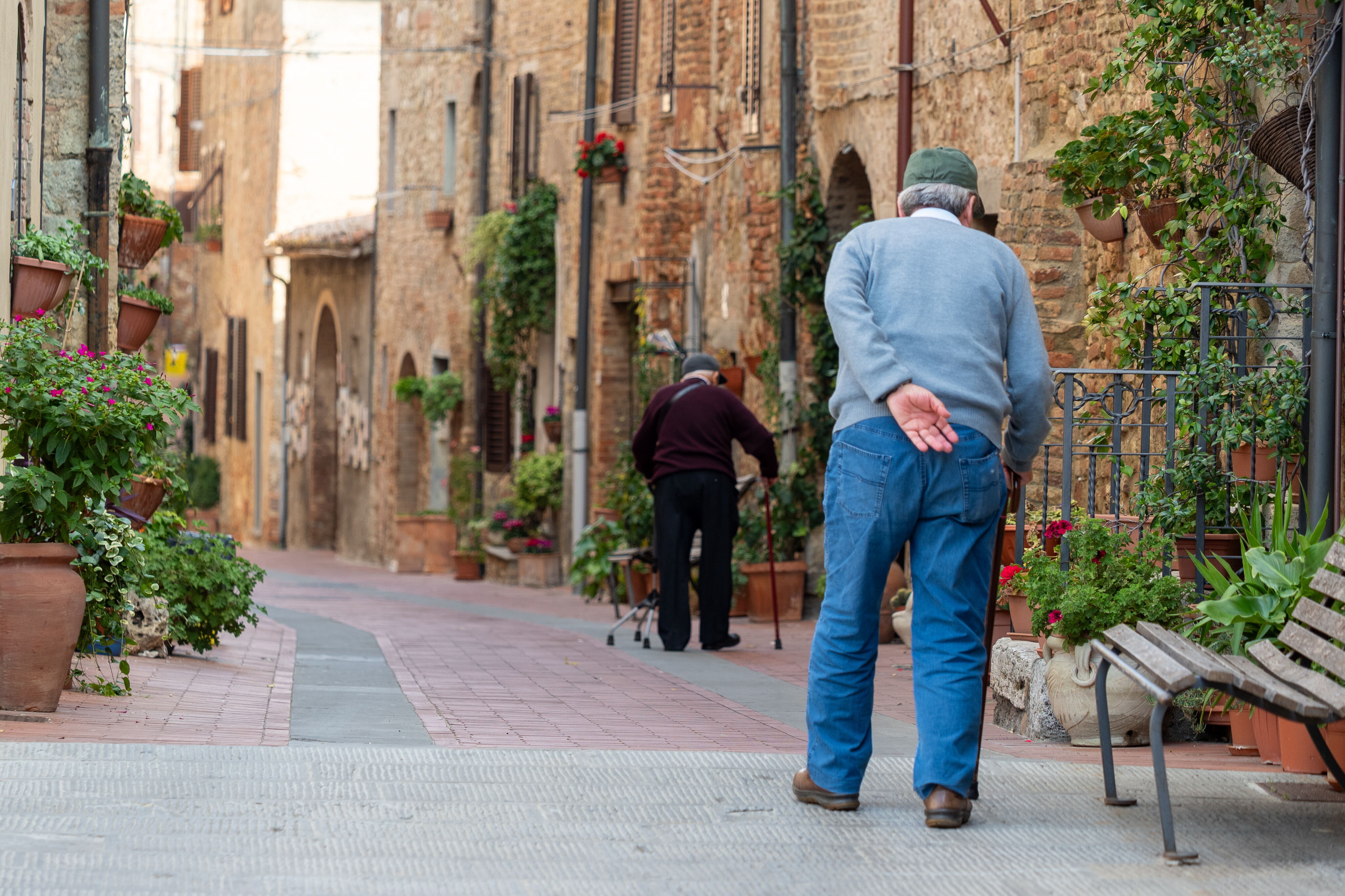
“When is actually the best time to visit Italy?” I’m asked this question so often that I’ve almost automatically started asking in return: “What do you want to experience?” Because the honest answer is: there isn’t just one best time to visit Italy, only the best time for what you’re planning to do. Anyone hoping to go swimming in January will be disappointed – but if you want to stroll through Palermo in January, in soft light and without the crowds, you’ve come to the right place.
As a rule of thumb that applies throughout the year, bear the following in mind: winter is best for the south or for snow; spring for cities and the countryside; high summer for the coast or higher altitudes; and autumn for the seaside in the south and for culinary trips inland. These are seasonal guidelines based on long-term climate and travel patterns – not a weather or price forecast for 2027. No one can tell you today whether it will rain in June 2027. But the patterns according to which Italy changes throughout the year remain remarkably stable.
The Travel Month Calendar
So that you don’t have to scroll through twelve separate sections, here’s an overview briefly – and then we’ll go into detail season by season.
|
Month |
Suitable regions |
Particularly good for |
What to look out for |
|
January |
Sicily, apulia, southern cities; for snow: south Tyrol, Trentino, Aoste valley |
Culture, cuisine, mild coastal days or winter sports |
No guarantee of swimming in the south; check for heating and facilities open all year round |
|
February |
Sicily, southern cities; Alpine regions for skiing and winter walking |
city breaks, winter sun, mountain holidays |
carnival can make certain places more expensive; a house without good heating is uncomfortable even in the south |
|
March |
Sicily, Apulia, Campania; from the end of the month also Tuscany and Umbria |
towns, village life, walking at lower altitudes |
changeable weather; in Tuscany, March is considered rather rainy |
|
April: |
Tuscany, Umbria, Marche, Apulia, Sicily |
culture, cycling, walking, countryside |
check Easter arrangements separately; do not rely on the sea or unheated swimming pools as the main selling point |
|
May |
Tuscany, Umbria, Marche, Apulia, Sicily, Sardinia |
holiday homes with outdoor areas, road trips, first days at the beach in the south |
check water temperature, not just air temperature; confirm that the pool is open |
|
June |
Tuscan coast, Marche, Apulia, Sardinia, Sicily, mountain regions for active holidays |
a combination of beach and excursions |
Considered a milder summer alternative in Tuscany; the specific coastal location remains crucial |
|
July |
Coasts of the Marche, Tuscany, northern Italy; the Dolomites, Trentino, Abruzzo |
family-friendly beaches, lakes, high-altitude hiking |
protection from the heat for towns and low-lying inland areas; the mountains aren’t automatically cooler |
|
August |
the coast, depending on your beach preferences; the Dolomites, Trentino, South Tyrol, Garfagnana, Abruzzo |
School holidays, swimming, mountains Peak travel season |
check availability early, shade and travel routes are more important than the region’s name |
|
September |
Tuscany, Marche, Apulia, Sicily, Sardinia, Calabria |
Piedmont for wine Sea plus excursions, country house holidays, hiking, wine |
Considered a milder alternative to the height of summer; The swimming season in the south is often longer |
|
October |
Sicily and southern coasts for potential swimming days; Tuscany, Umbria, Piedmont for culinary delights |
walking, cities; swimming only with a flexible plan |
not a nationwide swimming month; for properties with a pool, check opening times and heating |
|
November |
Sicily, Apulia, Palermo, Naples |
Piedmont and Tuscany for culinary delights, museums, dining, truffles and quiet, extended stays |
bear in mind the rain, shorter days and seasonal closures |
|
December: |
Southern cities and Sicily, Alpine regions for skiing; Tuscany for city |
Advent, culture, mountains and public holidays |
do not equate the Christmas and New Year weeks with the usual low season |
Important for this table: ‘Suitable’ means that the region and type of holiday can be a good seasonal match. It does not mean that the month mentioned offers the same temperatures, open swimming pools or affordable prices everywhere in the region. Particularly for April, October and December, you should place greater emphasis on the specific accommodation and location than on a regional average.
Winter: the south or snow?
From January to March, Italy is divided into two contrasting winter holiday destinations. One takes you to the south – to Sicily, Apulia or southern cities – where winters are mild enough to enjoy markets, churches and small trattorias without feeling the cold. It’s not exactly a beach holiday, but a stroll along the coast in ten or twelve degrees has its own charm. The other winter holiday takes you in exactly the opposite direction, into the mountains: South Tyrol, Trentino or the Aoste Valley, where snow takes centre stage.
Here’s my advice for both options: check the heating. A holiday home in the south is often marketed as having a light, summery design. However, this can become a problem in January when the nights are chilly and the house was designed for summer holidaymakers, not for you in winter. In the ski resorts, on the other hand, you should double-check the current snow conditions and lift operations just before you set off. This is particularly important if you’re planning a trip for February, when Carnival and the winter holidays drive up prices and occupancy rates noticeably in some places.
March is something of a transitional month: Sicily, Apulia and Campania remain attractive for city and village life, but towards the end of the month it’s also worth taking a first look at Tuscany and Umbria, where nature is slowly coming to life. I’ll be honest with you: in Tuscany, March is considered a rather rainy month. That doesn’t have to ruin your holiday, but it’s best to have a Plan B for rainy afternoons rather than relying solely on sunny days.
Spring: villages, towns, countryside
April, May and June are the months when Italy shows perhaps its most magnificent side – and that’s precisely why they’re the months when a holiday home with outdoor space is particularly worthwhile. Tuscany, Umbria, the Marche, Apulia and Sicily now offer ideal conditions for cycle rides, walks at lower altitudes and leisurely visits to villages, without the stifling heat of high summer.
In April, you should keep a close eye on Easter and the surrounding public holidays – not just because of the prices, but also because of how busy popular destinations get. And one point I’d like to address openly: I wouldn’t yet consider the sea or unheated swimming pools to be the main reason for booking a holiday in April. The water is simply still too cold in most regions, even if the air temperature already has a spring-like feel to it.
From May onwards, depending on the region, the first proper swimming season begins in the south – Sicily and Sardinia are often the first to kick things off. If daily swimming is essential for you, don’t just pay attention to the air temperature; make sure you check the water temperature specifically and ask the accommodation provider whether the pool will already be open and heated during your stay. June, on the other hand, is considered a milder alternative to the height of summer, particularly in Tuscany – a month in which you can easily combine days at the beach with day trips, provided you take a close look at the specific coastal location.
Summer: Beach or higher ground
July and August are the months most people immediately associate with a holiday in Italy. In fact, this is also the time when the coastlines – from the Marche through Tuscany to northern Italy – are at their most stunning. For anyone who prefers to avoid the heat, the Dolomites, Trentino or the Abruzzo are ideal: hiking at higher altitudes instead of lounging on a sun lounger, fresh air instead of the sweltering midday heat.
But I must be honest here: even the mountains aren’t automatically quiet or cool in summer. The risk of thunderstorms and changeable hiking conditions are part and parcel of a holiday in the Alps in the height of summer, and lower-lying towns as well as inland areas can also get quite hot – so it’s worth planning proper protection against the heat. August is undoubtedly the peak travel season of the year: anyone booking during the school holidays should check availability and specific facilities as early as possible. Proximity to the beach, shade and short journeys are more important this month than the region’s illustrious name. This also applies to nature destinations such as the Garfagnana, which can be a welcome, cooler alternative to the coast in August.
Autumn: the seaside or culinary delights
September is one of the most underrated months for travelling. Tuscany, the Marche, Apulia, Sicily, Sardinia and Calabria continue to offer excellent conditions for a seaside holiday, combined with more pleasant temperatures for day trips – and in Piedmont, the season for wine lovers is just beginning. Tuscany itself expressly recommends September as a milder alternative to the height of summer, and on the islands and in the south, the swimming season can still stretch well into the month.
October, on the other hand, requires a clear statement: it is not a nationwide month for swimming. Sicily and some southern coasts certainly still allow for days at the beach, but this isn’t guaranteed every day – a flexible plan is more crucial here than a firm promise of swimming. On the other hand, October shows itself from a different, no less beautiful side: Tuscany, Umbria and Piedmont now invite you to enjoy their delights and countryside, and anyone booking a pool house should check in advance whether the pool is even still open or heated at this time of year.
In November, the focus shifts definitively from the beach to the city and the dining table. Sicily, Apulia, Palermo and Naples are ideal for city breaks, whilst Piedmont and Tuscany shine with their autumnal cuisine – the truffle season, amongst other things, falls precisely during these weeks. Do, however, expect more rain, shorter days and the odd seasonal closure, particularly in smaller towns.
December: Advent, culture, mountains
December deserves a look of its own, as it differs greatly from a typical winter month. Southern cities and Sicily are ideal for atmospheric winter trips featuring markets and cultural attractions. The Alpine regions kick off the ski season, and Tuscany offers cities and thermal spas for those who prefer a quieter pace. Important to note you shouldn’t treat the Christmas and New Year weeks as if they were an ordinary off-season. Prices and occupancy rates rise in many places during this time, and anyone hoping for snow should check ski offers and slope conditions again just before their trip.
What you really should check before booking
Before you commit to a month, it’s worth doing a quick reality check:
- Does your travel date fall during holiday weeks such as Easter, Carnival or Christmas?
- Is the pool open at this time of year and, if so, is it heated?
- Does the property have heating that’s effective in winter, or air conditioning that really helps in the height of summer?
- Are restaurants, shops and tourist attractions even open during your travel dates, or will you be visiting during the off-season?
- And if you’re heading to the mountains: what are the current snow conditions, and is your planned route even feasible at this time of year?
These five questions will bring you closer to a perfect holiday than any general advice on the best time to travel.
Frequently asked questions about holidays in Italy by month
Where can I still go to the seaside in October?
Most likely in Sicily and on other southern coasts, although you should distinguish between the first and second halves of the month and plan for alternative weather.
Where in Italy is it less hot in July?
At higher altitudes such as the Dolomites, Trentino, Garfagnana or Abruzzo – do check the exact altitude and the comfort of your accommodation, as even the mountains can experience heat and thunderstorms in summer.
When is Tuscany best for wine and villages?
Particularly in September and October, and depending on your interests, also in May – autumn is ideal for wine and cuisine, whilst spring is better suited to scenery and outdoor activities.
Where in Italy can you go in winter without a skiing holiday?
Mainly in Sicily and southern cities, or alternatively in Tuscany with a focus on culture and spas – expect milder days rather than a beach holiday and choose a winter-proof house.
Which month is best for families with school-age children?
Generally, the classic summer months of July and August – first work out whether the coast or the mountains better suits your family’s tolerance of the heat, and then compare the beach, journey time and accommodation facilities.
Conclusion
The recommendations in this guide are based on long-term seasonal patterns and on the type of holiday you’re looking for. Neither the weather nor holiday home prices, open swimming pools nor snow conditions for 2027 can be guaranteed on this basis. But here’s what you can take away from this: if you decide first what you want to experience, and only then look at the month and region, you’ll almost always end up with the right holiday home. This applies regardless of whether the calendar currently shows January or August.